
F1 team unveils at damp and foggy race circuits in February are a thing of the past. Not great news for the purist. But the sport isn’t exclusively theirs anymore.
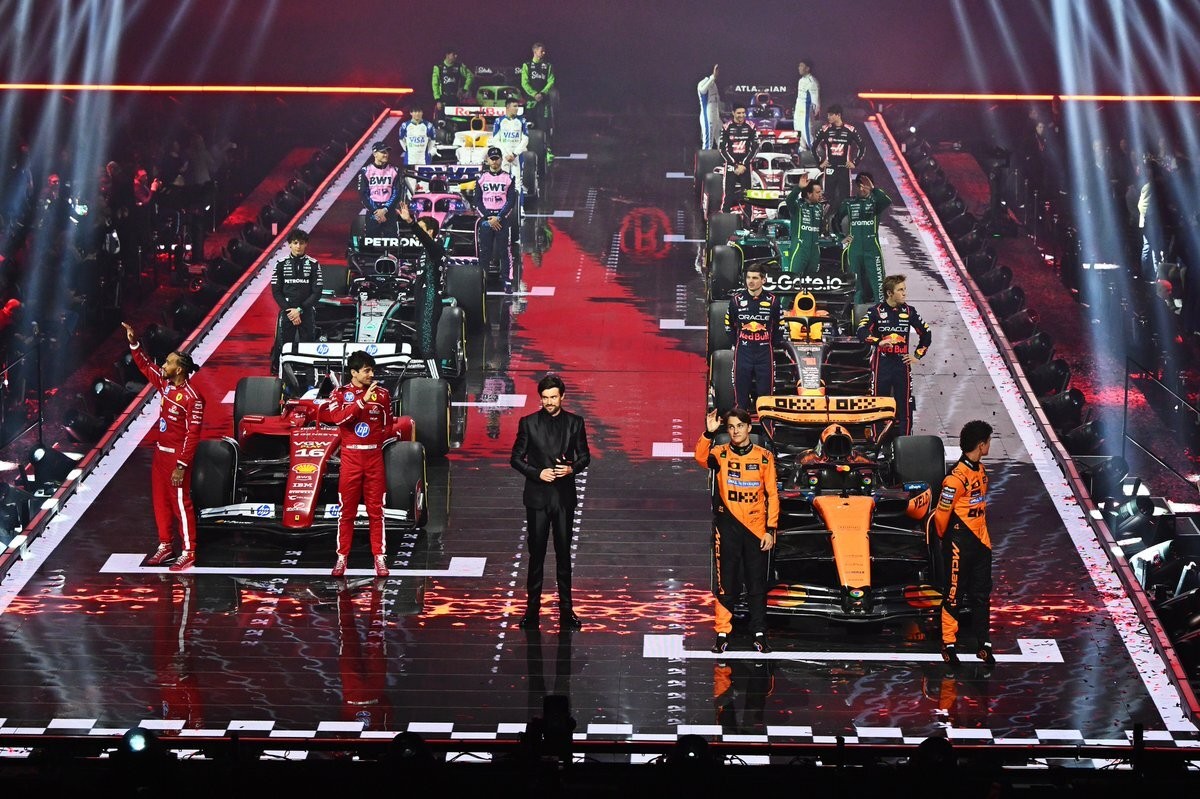
The F1 75 event at London’s O2 was ground-breaking. It marked another step change in the sport’s bid to excite and attract a new breed of fans. First, it was Drive to Survive on Netflix, now it’s an arena-based championship launch attended by thousands and watched by millions.
As seasoned motorsport experts, F1 75 wasn’t aimed at the bulk of the GroupWhistle team. We’re fine with that. The event was created for people who can’t vividly remember Ayrton Senna’s opening ‘lap of the gods’ at the rain-soaked European GP in 1993.
It was aimed at people like Vanesa Kelly , our PR Manager, who is one of F1’s newest fans. Here are her F1 75 thoughts…
‘Drive to Survive brought me into the F1 fold. Its backstage insights, drama, and pure entertainment value sold the sport to me as a newbie. As a Drive to Survive convert, I was always going to watch F1 75.
‘For me, the event – viewed by 4.6 million people on YouTube alone – was an absolute success. The teams put their competitive rivalries aside (almost) to create a fresh and memorable show for fans like me. The sport’s connection with its fans was a strong and clear thread throughout.
‘The atmosphere was pretty electric as the event unfolded, and as each team showed off its car and new livery, they brought their own distinctive flavour to proceedings. First up, the Stake F1 Team grabbed attention with a dramatic drum procession as part of their unveil, while Ferrari went down the road of showcasing its long and proud history in F1. Aston Martin chose a particularly classy approach, while the Visa Cash App Racing Bulls chose a more humorous route! It was varied – and that kept the show interesting.
‘With Jack Whitehall compering the event with a mix of charm and risqué humour, there were also wildly different musical performances representing just about every genre. F1 75 was a carefully curated mix of F1 and popular culture that largely appealed.
‘I’ve seen some people describe the event as ‘cringey’ on social media. Sure, it wasn’t perfect and there were some tumbleweed moments, but as a show for fans, it definitely worked for me.’
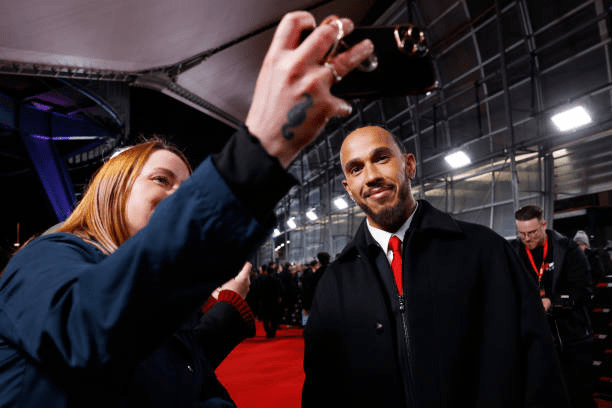
So, F1 75 delivered on spectacle and entertainment. But as a company deeply invested in motorsport storytelling, did we notice team narratives and appeal take a hit?
Not at all. In fact, by giving teams their own mini-show-within-a-show and access to massive video walls, the event amplified their individual messaging like never before – usually written in 10-metre-high LED letters.
Whether it was defining what ‘Hustlin’ Harder’ actually means or setting the stage for ‘History in the Making’, the messages landed loud and clear.
F1 75 delivered a powerful platform for storytelling – and that’s another good reason why it will surely be back next year.