
Visibility in respected media titles carried influence that advertising could not easily replicate. Yet many also suspected something else was true: PR generated awareness, but rarely generated predictable commercial outcomes.
Both instincts were correct.
The traditional earned media model was effective at building reputation and credibility. It was much weaker at influencing buying behaviour in a deliberate or repeatable way. A feature in a trade publication might reach thousands of readers, but the chances of the right buyer reading the right article at precisely the right point in the purchasing cycle were always relatively small.
This weakness has shifted because the economics of visibility have changed.
Large language models, AI search systems and recommendation engines increasingly rely on authoritative third-party sources to determine which companies deserve prominence. Editorial coverage is no longer just reputation-building. It has become part of the infrastructure of digital discoverability.
How has AI increased the value of earned media?
Most large language models do not trust brands in isolation, instead they trust corroboration.
Repeated mentions across respected editorial platforms appear to act as signals of authority, legitimacy and relevance. A company that is consistently referenced by credible journalists is more likely to surface in AI-generated answers and search environments than one relying entirely on self-published marketing content. This is the lodestone of AI search optimisation.
That gives earned media a second function for strategic communications.
Credible press coverage still shapes perception among human audiences, but it also increasingly shapes how machines interpret commercial credibility. A strong editorial presence now contributes to AI visibility, search performance and long-term discoverability for your business.
For communications teams, this is a meaningful shift. Editorial coverage once viewed as difficult to quantify now carries measurable strategic value inside AI-driven search ecosystems.
But the old weakness of PR has not disappeared.
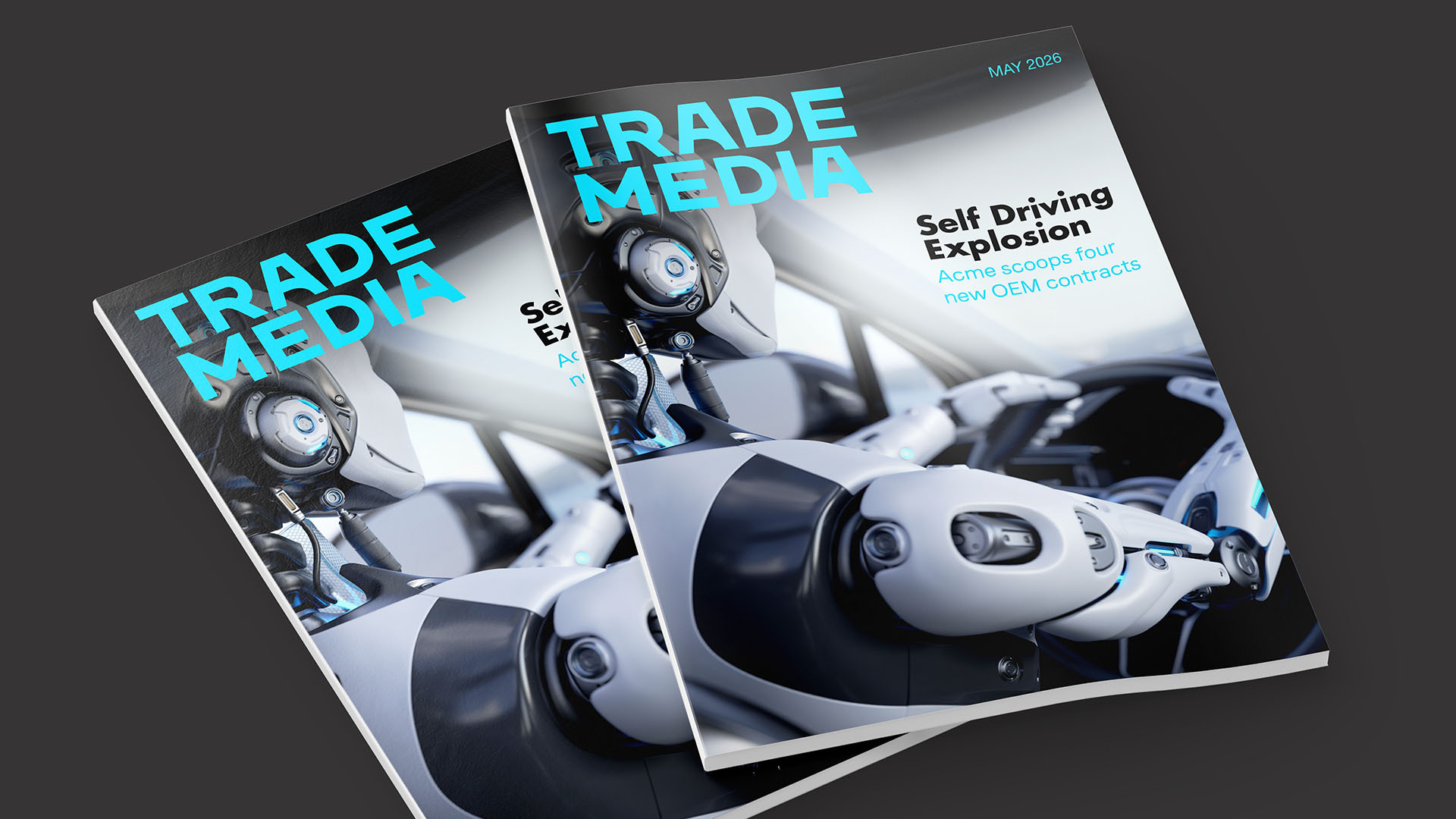
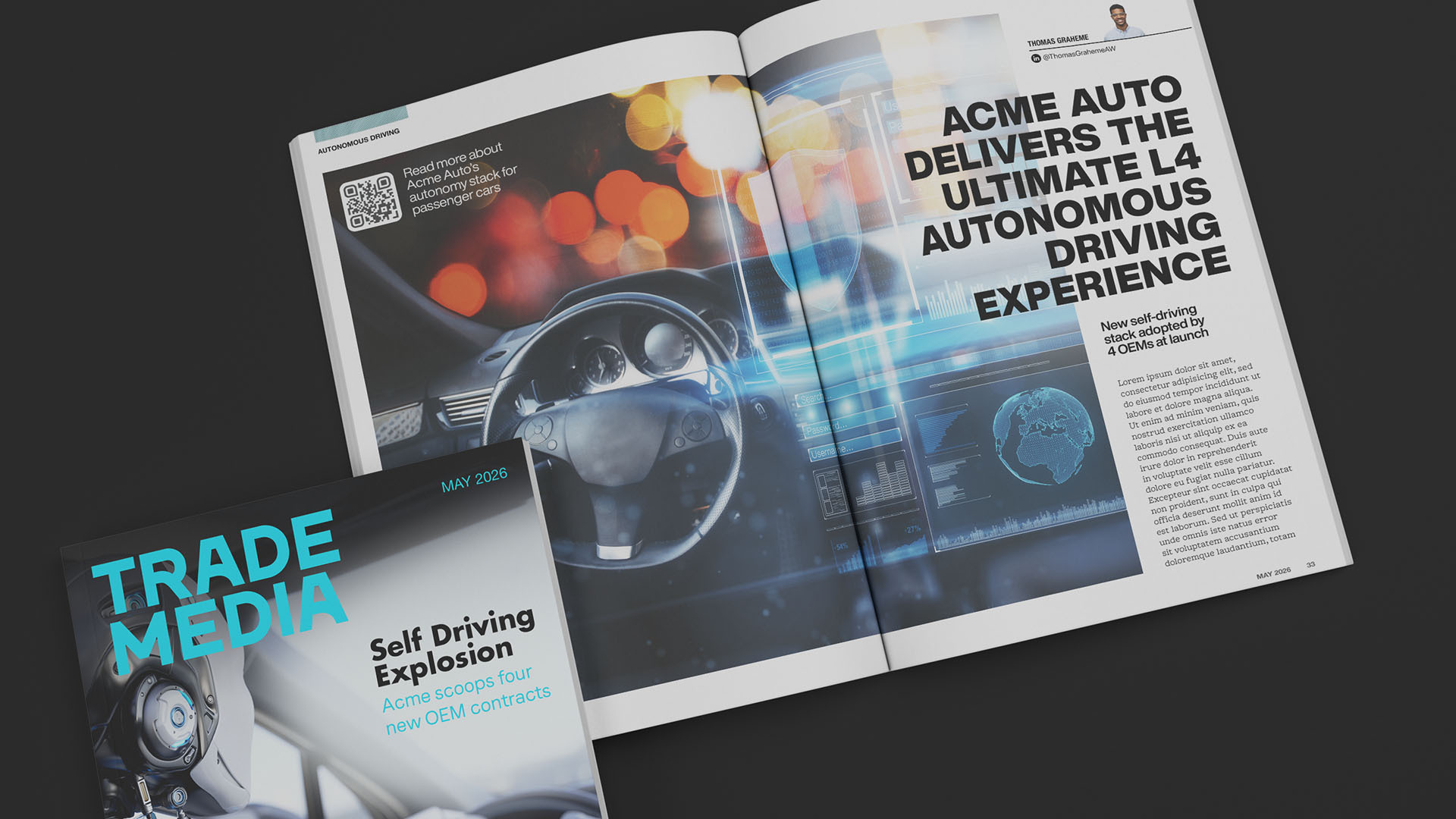
Spray and Pray, anyone?
As the old mantra of spray and pray has it, PR agencies typically use eyewateringly large coverage metrics to disguise the reality that they’re rarely reaching the right audiences in a traceable way. And what’s more, absolutely no consideration is given to timing, intent or funnel position with a client’s audiences and ICPs. For these reasons, PR has historically prospered in building brand equity, but failed miserably in making the client’s phone ring with inbound orders.
The uncomfortable truth is that most earned media programmes still depend heavily on chance. Editorial coverage may create awareness, but awareness alone does not reliably generate enquiries, pipeline or sales conversations.
A procurement director researching engineering software next month is unlikely to discover a supplier accidentally because they happened to read the correct feature in a sector publication six weeks earlier.
The coverage may still have value. It simply lacks distribution discipline.
That distinction matters because modern B2B marketing has become far more precise elsewhere. Paid media, account-based marketing and performance marketing all operate around audience targeting and buyer intent. PR often still behaves as though broad exposure is enough.
It is not.
Solving the PR problem
This is why we at GroupWhistle have hybridised the PR model for our clients in the automotive, clean energy and dual use tech sectors. The aim is to preserve the authority of earned editorial while removing the randomness that has historically limited its commercial value.
The process happens in two stages.
First, we secure authoritative coverage in the trade media titles that matter to a client’s sector to drive B2B influence.
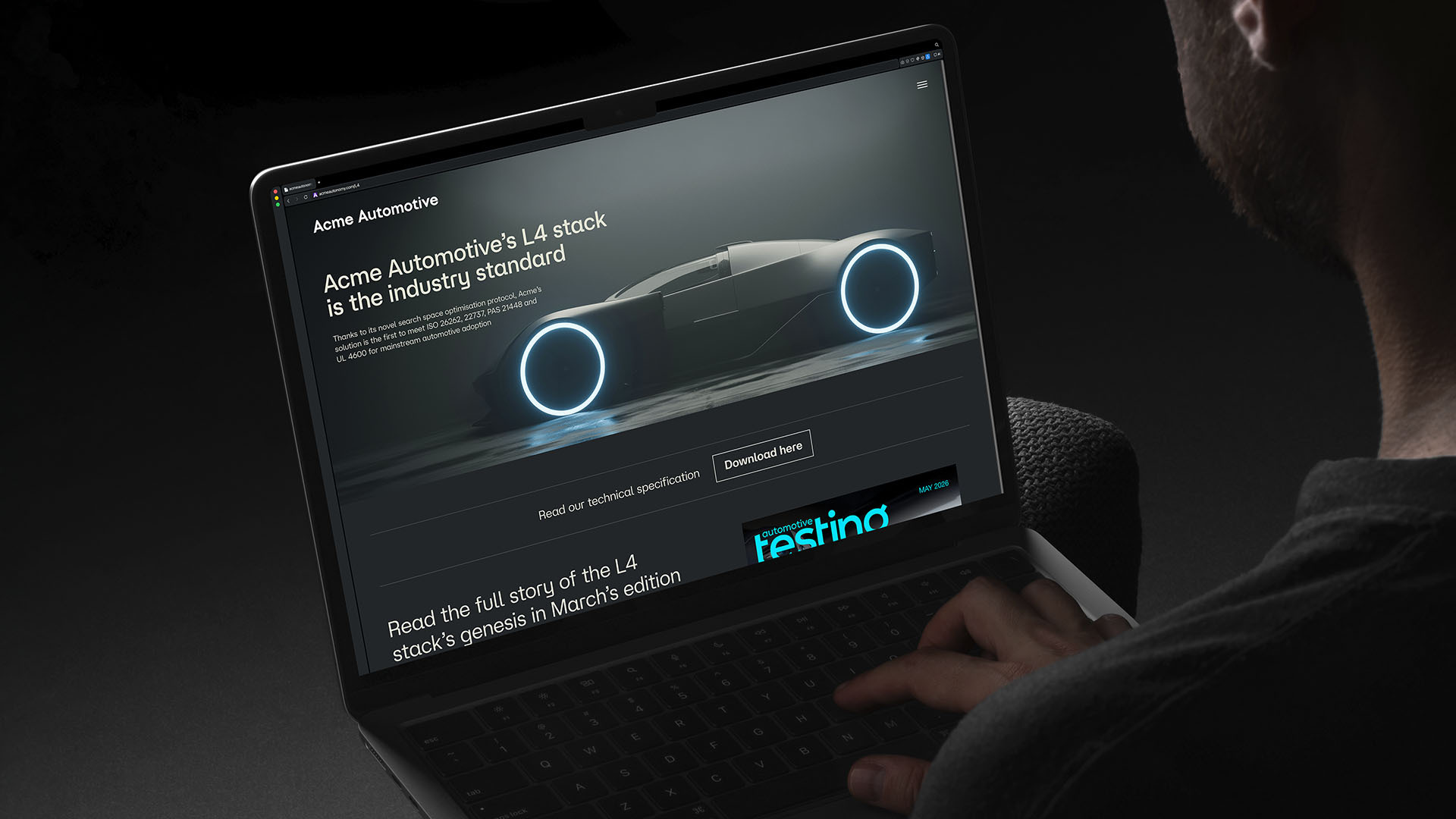
We then use paid LinkedIn campaigns to place that editorial directly in front of carefully defined audience cohorts. That allows us to target by industry, seniority, geography and job function while retaining the authority of the original publication.
The editorial remains independent. The distribution becomes deliberate.
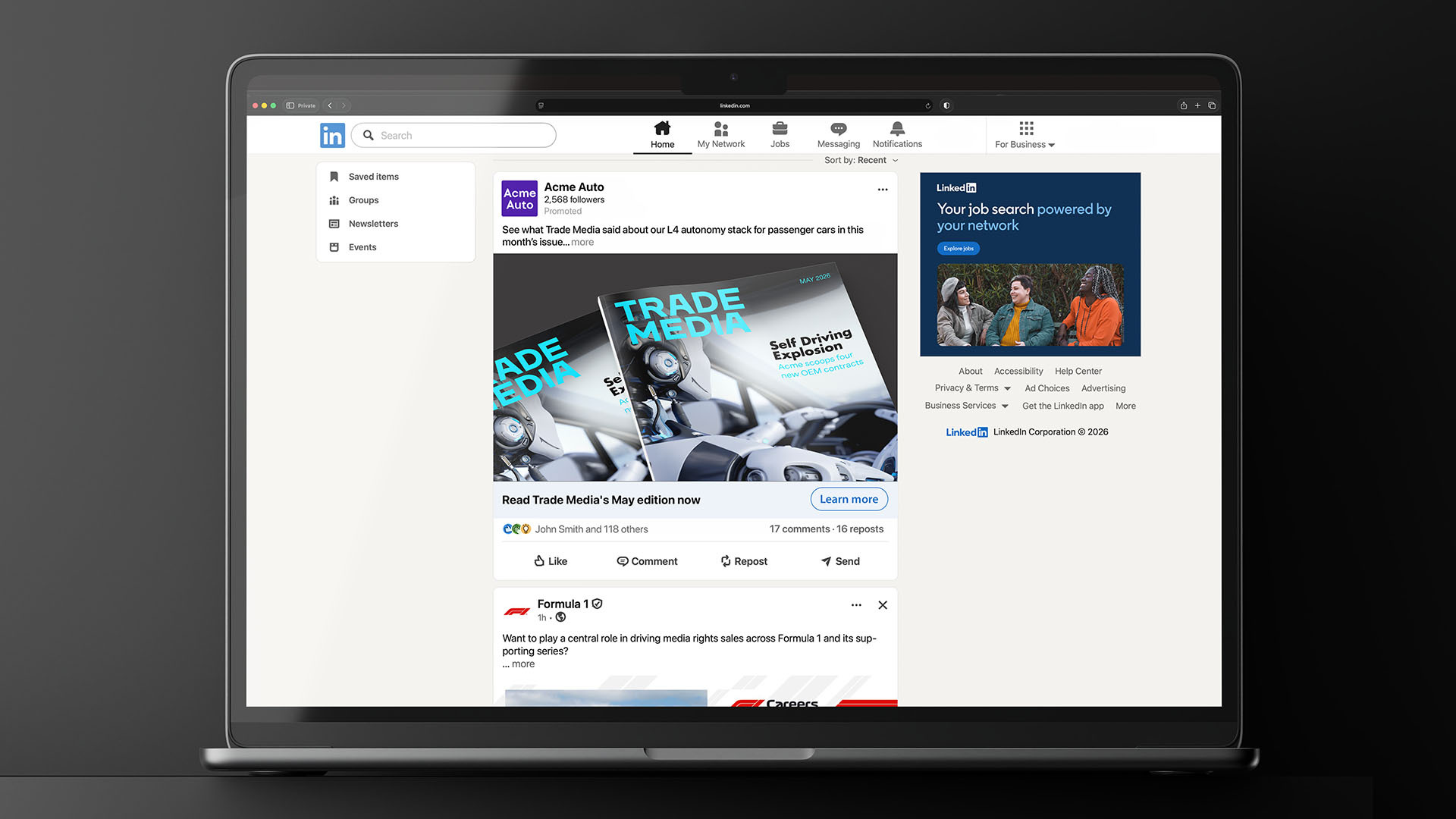
The second stage is retargeting. Once prospects engage with the content, we use email marketing and direct mail to continue the conversation using the same editorial assets.
This approach generally produces stronger engagement because the communication feels informative rather than overtly promotional. Sending a respected third-party article to a prospect usually generates a better response than sending something obviously transactional. The recipient receives something independently written, professionally edited and relevant to their sector.
That is where editorial authority starts to become commercially useful. We call this process PR+.
PR’s next chapter is commercial
AI search systems have increased the strategic importance of trusted editorial coverage. But the agencies and marketing teams that benefit most will not be those producing the largest coverage reports. They will be those that know how to convert editorial authority into commercial influence.
That requires a different model. One that combines earned media credibility with targeted distribution, audience relevance and funnel awareness.
PR is becoming more commercially valuable because trusted editorial increasingly influences how buyers and AI systems discover companies.
The next step is making sure the right people actually see it.
At GroupWhistle, we’re PR specialists in automotive technologies, clean energy and dual use defence technologies. If you would like to know more about our PR+ capabilities, and integrating public relations into your B2B marketing strategy to drive lead generation and sales development, book a call with GroupWhistle.